August 14, 2026
Residential properties benefit from durable pavement that withstands changing weather conditions and daily vehicle traffic. Among various paving materials, asphalt driveways provide an economical and resilient surface for modern homes. However, exposure to rain, sunlight, and temperature shifts causes wear over time. Without proper upkeep, even high-quality paving materials deteriorate, leading to surface cracks, water penetration, and structural degradation across the property.
Preserving asphalt driveways requires proactive maintenance rather than reactive structural repairs. Homeowners who implement systematic care routines protect the underlying aggregate base from moisture intrusion, chemical spills, and ultraviolet radiation. Systematic attention preserves the pavement's dark aesthetic while defending against erosion. Implementing strategic maintenance measures extends surface longevity, preventing premature failure and reducing long-term replacement expenses for residential property owners.
Prioritizing Routine Surface Cleaning
Debris accumulation accelerates the deterioration of asphalt driveways through mechanical friction and chemical breakdown. Dirt, autumn leaves, and organic matter trap moisture against the pavement surface. Continued exposure to trapped dampness weakens the chemical bonds holding the aggregate stones together. Removing surface litter with mechanical blowers or stiff-bristled brooms keeps the pavement dry and structural integrity intact across all weather seasons.
Motor oil, brake fluid, and gasoline leaks from vehicles introduce destructive chemicals to residential pavement. Petroleum-based substances dissolve the binder that holds rock aggregate together. When a chemical leak occurs, property owners should apply absorbent materials such as clay, sand, or sawdust to soak up the liquid. Timely removal prevents permanent staining and localized softening of the surrounding pavement surface.
Washing the pavement with pressurized water removes embedded soil and acidic residues. Homeowners using pressure washing equipment must select appropriate nozzle attachments to avoid stripping the surface binder. Excessive water pressure displaces aggregate stones, creating small pits across the surface over extended periods. Gentle washing techniques cleanse the pavement without causing abrasion or dislodging essential gravel components from the top protective layer.
Vegetative growth along the pavement borders threatens structural stability. Grass and weed roots penetrate small surface imperfections, forcing fissures wider as the roots expand underground over time. Property owners should trim overhanging foliage and remove encroaching vegetation from perimeter edges. Eliminating plant life around the border prevents root intrusion and allows rainwater to drain away from the underlying pavement foundation.
Addressing Minor Crack Repairs
Surface fissures represent a significant threat to asphalt driveways, serving as entry points for moisture. Rainwater flowing into small openings penetrates the subsurface gravel and base layers. During freezing weather conditions, trapped underground water expands, pushing the pavement upward and causing alligator cracking. Inspecting the surface for tiny fissures allows homeowners to intervene before minor defects become major structural failures.
Preparing fissures for repair demands thorough cleaning of the gap interior. Any soil, vegetation, or loose aggregate remaining inside the opening prevents adhesion of repair materials. Property owners can utilize metal scrapers and compressed air to clear out debris from the crevice with precision. A clean, dry cavity ensures that rubberized filler materials bond with the surrounding residential pavement walls.
Liquid crack-filler products provide an effective seal for narrow surface fractures. Homeowners pour rubberized emulsion into the void until the repair material reaches the pavement surface level. Upon curing, the flexible compound expands and contracts alongside the surrounding structure during seasonal outdoor temperature fluctuations. This elasticity maintains a waterproof barrier across changing weather conditions throughout the calendar year.
Wider depressions and potholes require cold-patch compound formulations rather than thin liquid fillers. Property owners tamp the patch material into the depression using a heavy-hand compactor. Compacting the material removes air pockets and creates a dense, level surface that resists heavy vehicular traffic. Proper compaction prevents future settling and restores structural continuity to the residential pavement surface.
Applying Protective Sealant Coatings
Sealcoating creates a defensive barrier across asphalt driveways, shielding the aggregate from ultraviolet oxidation and chemical penetration. According to This Old House, a driveway requires resealing every three to five years. Adhering to this maintenance schedule restores the pavement binder's flexibility, mitigating brittleness caused by intense sunlight exposure and harsh seasonal weather.
Weather conditions play a critical role during the sealcoating application process. Homeowners must schedule sealant application during warm, dry periods with no forecast rainfall. Atmospheric moisture or damp pavement prevents proper curing and weakens chemical bonding strength. Adequate ambient temperatures ensure that the emulsion spreads across the pavement without clumping or peeling away from the underlying base layer.
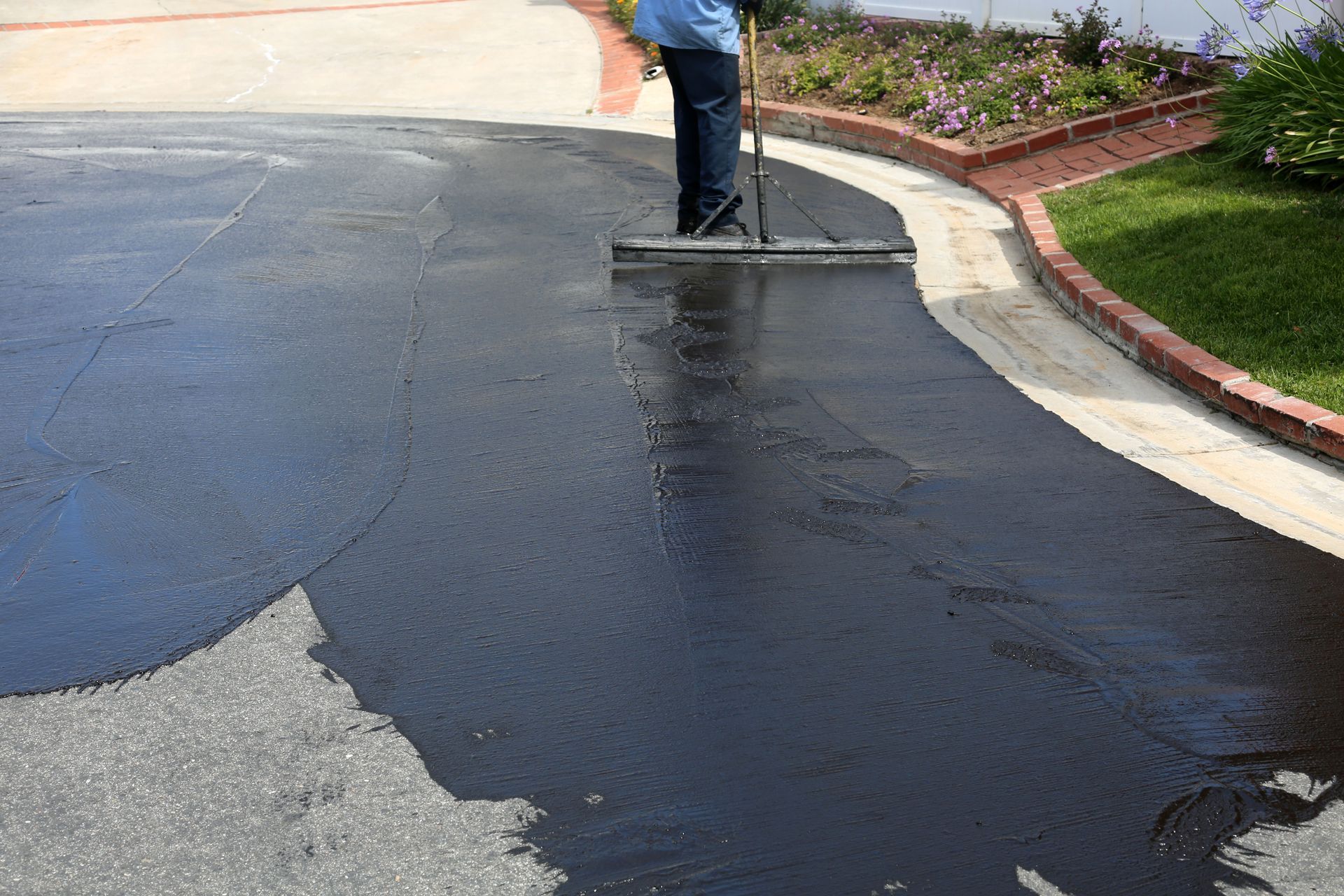
Manual application using a squeegee or specialized broom yields optimal sealant distribution. Property owners work the emulsion into the pavement pores, creating an even, protective layer across the entire residential surface. Pressing the sealant into microscopic surface voids prevents water infiltration. Consistent application thickness prevents pooling in low spots and ensures uniform drying across the entire paved residential area.
Allowing adequate curing time before resuming vehicle traffic protects the fresh sealcoating layer. Foot traffic and vehicular weight can deform or strip uncured sealant, leaving unprotected gaps in the barrier. Property owners should block off the entrance with barricades or caution tape until the surface achieves full hardness. Patience during curing maximizes the durability of the protective film over future seasons.
Managing Heavy Vehicle Loads
Residential asphalt driveways are engineered to support standard passenger vehicles rather than heavy commercial machinery. Delivery trucks, dumpsters, and construction vehicles exceed the load-bearing capacity of standard residential pavement. Excessive weight crushes the underlying aggregate base, causing depressions and structural ruts. Restricting heavy commercial traffic preserves the subsurface foundation and prevents catastrophic pavement failure across the property.
Stationary weight distribution poses a unique structural challenge during hot summer months. Intense solar radiation softens the pavement binder, making the surface vulnerable to permanent indentation. Parking a vehicle in the same position day after day causes tires to form gradual depressions in the surface. Varying parking locations across the pavement prevents localized compression of the top pavement layers.
Heavy objects such as boat trailers, recreational vehicles, and metal dumpsters require weight-dispersing support mechanisms. Placing plywood sheets or wide wooden blocks beneath trailer jacks and kickstands distributes concentrated loads over a broader area. This load dispersal prevents sharp metal supports from piercing the pavement surface or sinking into the surface during warm summer weather conditions across the season.
Edges and borders represent the most fragile sections of residential pavement. Lacking lateral support from curbs or retaining walls, unprotected pavement margins crumble under heavy wheel loads. Homeowners should avoid driving or parking wheels along the outer edges of the residential pavement. Keeping vehicle tires centered on the pavement preserves border integrity and prevents structural edge fracturing.
Maximizing the functional lifespan of residential pavement depends on diligent observation and timely intervention. Routine cleaning, prompt crack repair, scheduled sealcoating, and careful traffic management work together to preserve structural integrity. Property owners who treat pavement maintenance as a recurring responsibility protect their property value and avoid the disruption of full surface replacement for their homes.
Consistent surface care protects the underlying aggregate base from weather extremes and mechanical wear. Through structured maintenance habits, homeowners ensure that their residential pavement remains functional, attractive, and resilient against environmental decay. Investing time and effort into preventive care guarantees a durable, smooth surface that serves the residence for many years without significant structural decline or material degradation. When you are ready to protect your pavement, reach out to us at Arnold Asphalt & Paving for expert maintenance and repair services. We take pride in helping our neighbors extend the lifespan of their asphalt driveways with professional, high-quality care.