July 14, 2026
Choosing the right surface for a property requires careful planning and a clear understanding of material performance. Property owners often find themselves weighing the upfront expenses against the long-term lifecycle value of different options. This decision impacts not only the initial budget but also the ongoing operational costs for years to come. While residential applications focus heavily on immediate curb appeal, larger projects demand a deeper look into structural stability and long-term surface management. The transition from basic paving options to premium, heavy-duty applications involves analyzing load capacities and environmental resilience.
Navigating these choices successfully means looking at how a surface handles heavy traffic, extreme weather fluctuations, and routine wear. Selecting a versatile material ensures that the resulting surface remains functional and smooth under demanding conditions. Modern paving solutions offer an excellent balance of rapid installation timelines and extended lifespans, minimizing operational downtime for properties. As property management needs become more complex, the demand for reliable, professional-grade paving solutions continues to rise, making the initial choice of material a critical factor in overall property value.
1. Minimizing Initial Construction Expenses
Project budgets often dictate the scope of property improvements, making upfront costs a primary concern for decision-makers. Selecting a cost-effective material allows for the allocation of funds to other critical areas of property development without sacrificing surface quality. This affordability makes the material an attractive choice for both residential upgrades and extensive commercial paving projects. Lower material costs combined with efficient installation methods keep initial investments manageable, providing an accessible entry point for high-quality surface construction across various property types.
With driveways ranging anywhere from around 240 square feet to 1,500 square feet, according to Forbes, the material costs can vary widely, but asphalt generally maintains a more budget-friendly range. This economic advantage becomes even more pronounced when surfacing larger areas where alternative materials would require prohibitive financial outlays. Beyond the initial layout, the predictable financial requirements of this material ensure that property owners can plan their long-term budgets with confidence. The balance of low initial pricing and reliable performance delivers immediate financial relief while setting the stage for future value retention.
2. Withstanding Heavy Vehicular Traffic
A primary requirement for any high-traffic surface is the ability to support substantial weight without fracturing or shifting under pressure. The inherent flexibility of this material allows it to flex slightly under heavy loads, distributing weight evenly across the underlying subbase. This structural resilience makes it ideal for areas that experience frequent use by heavy vehicles, delivery trucks, or constant passenger car traffic. Properly installed surfaces resist the rutting and displacement that often plague weaker materials, ensuring a smooth transit area for years.
Environmental factors also test the strength of a surface, requiring a material that adapts to temperature swings without failing. In regions experiencing freezing winters and scorching summers, the ability to expand and contract prevents major structural failures. Unlike rigid alternatives that crack under thermal stress, this pliable surface maintains its integrity through changing seasons. This climate adaptability ensures that commercial paving projects remain durable and safe, reducing the risk of sudden base failures and preserving the structural profile over an extended operational lifespan.
3. Facilitating Rapid Surface Restorations
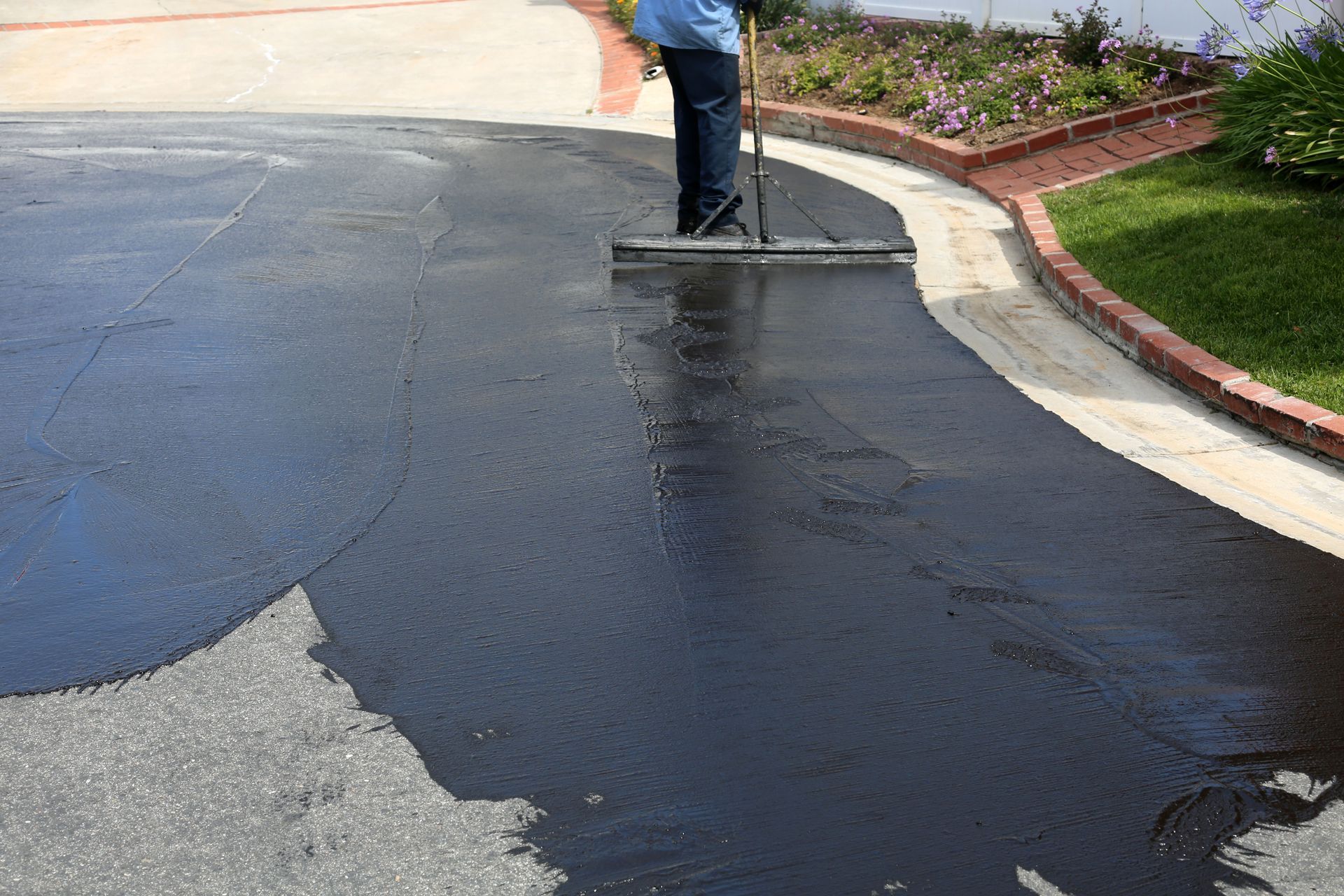
Ongoing maintenance is an inevitable part of property management, but the complexity of required repairs can vary greatly depending on the surface material. This specific option is highly valued for its straightforward repair processes, which do not require complete surface replacement. Minor issues like surface fissures or small depressions can be filled and sealed quickly, preventing water penetration and stopping further degradation before it affects the subbase. These targeted interventions keep the surface in top condition with minimal disruption to daily operations.
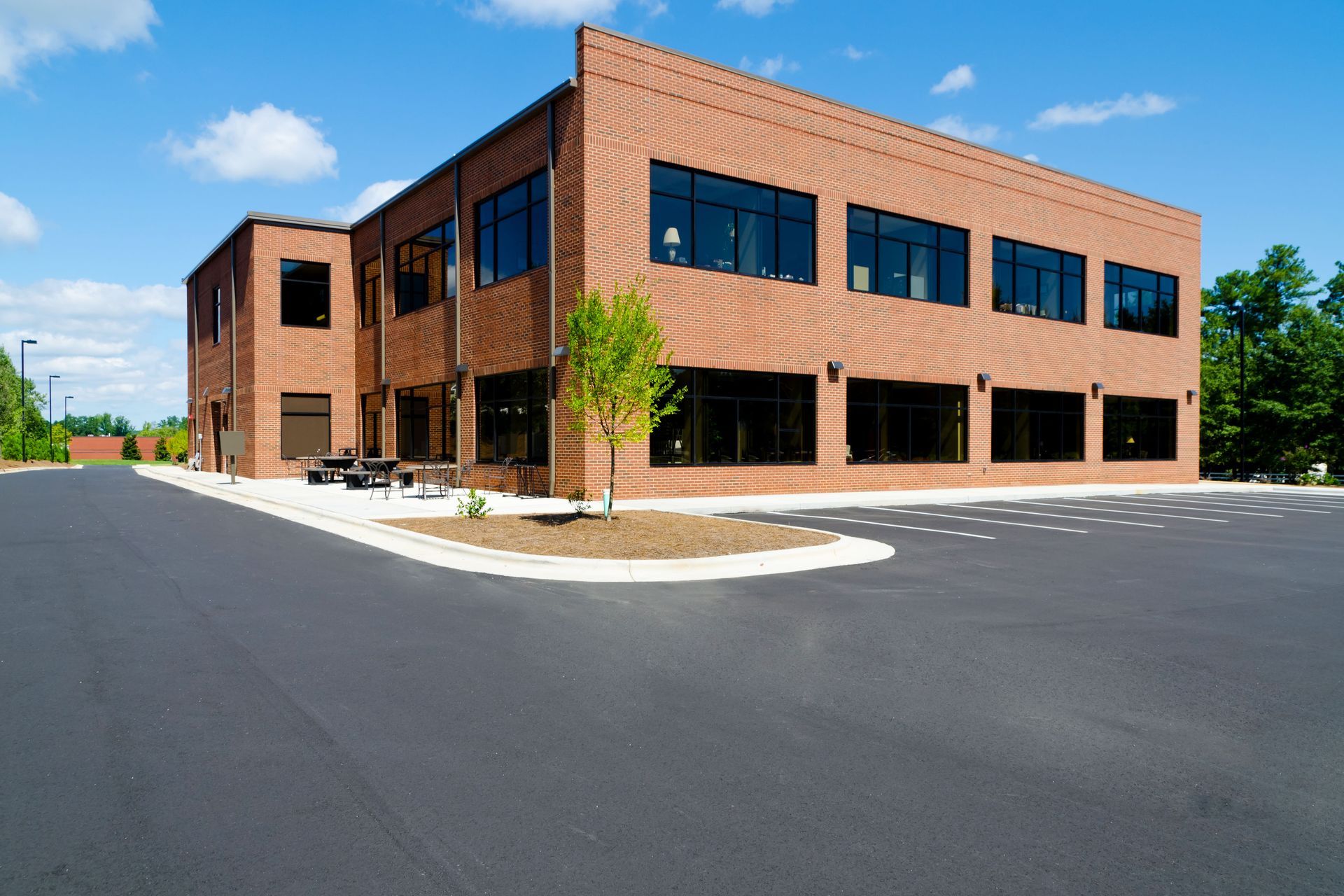
When extensive wear accumulates over a decade of use, the surface can be rejuvenated through a process known as resurfacing or overlaying. This involves milling down the top layer and applying a fresh coat, effectively renewing the surface at a fraction of the cost of full reconstruction. The speed of these repair techniques minimizes the closure times of parking lots and access roads, which is a critical factor for busy commercial paving developments. Economical maintenance routines ensure that the total cost of ownership remains low throughout the life of the surface.
4. Enhancing Property Visual Appeal
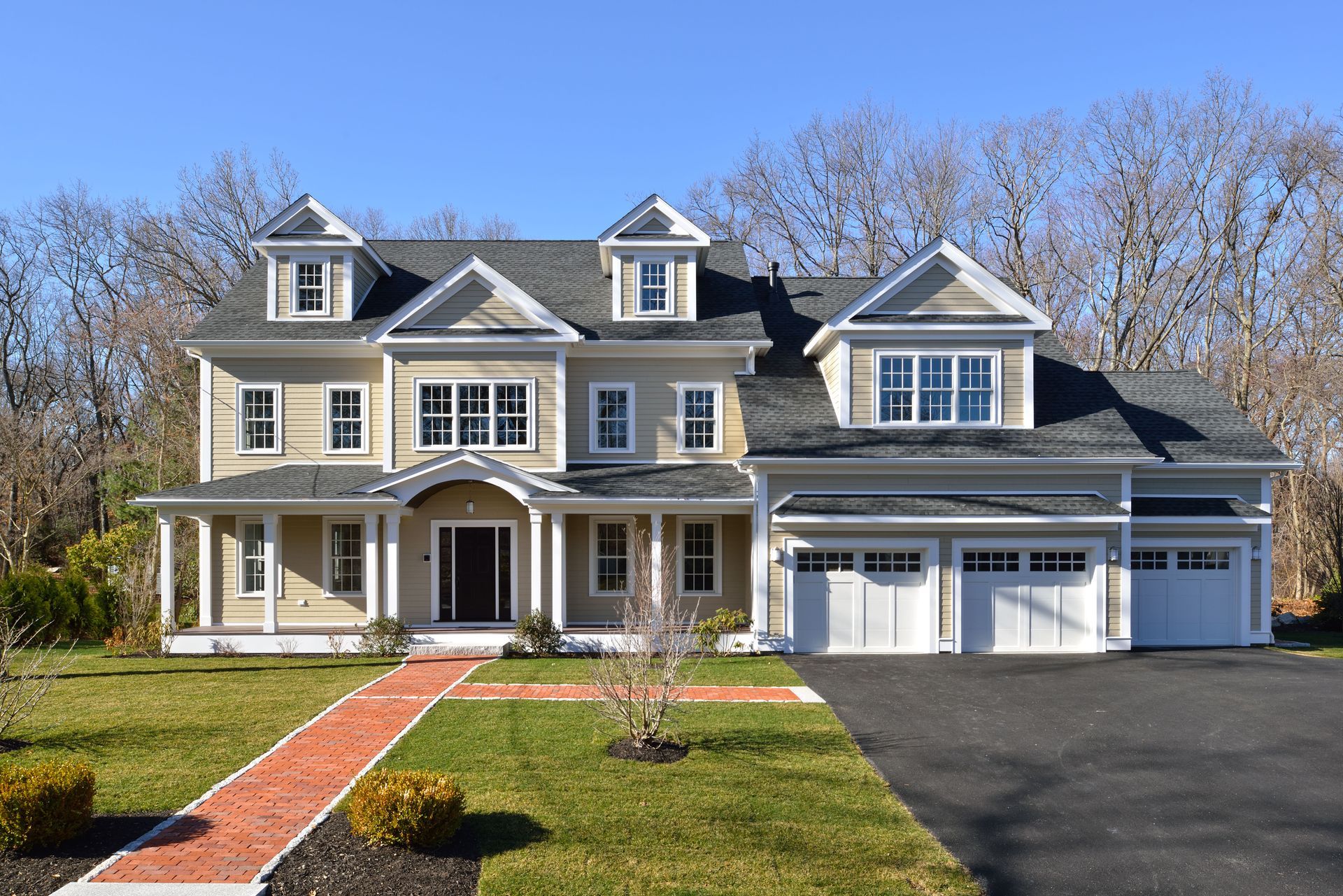
First impressions are vital for any property, and the condition of the approach layout plays a major role in establishing that aesthetic. A clean, dark, and uniform surface provides a striking contrast against green landscaping and architectural features, elevating the overall presentation. This sleek look delivers a polished appearance that instantly modernizes older properties and complements new constructions. The clean lines and dark backdrop offer a premium appearance that enhances the perceived value of the entire location.
Customization options also allow property owners to tailor the surface appearance to match specific design themes or branding requirements. Specialized techniques can add unique borders, colored coatings, or textured patterns to specific zones, breaking up large monolithic areas visually. This aesthetic adaptability means a functional area can also serve as a design feature, blending utility with visual harmony. Whether looking to create a welcoming residential entrance or a pristine corporate exterior, the resulting finish supports diverse design goals effectively.
5. Maximizing Resource Material Recycling
Environmental responsibility has become a core consideration in modern construction and property management practices. This paving material stands out as one of the most frequently recycled products globally, turning old surfaces into valuable resources for new projects. When an old surface is removed, the aggregate and binder are processed and reintroduced into new mixes, reducing the reliance on pristine raw materials and conserving natural reserves. This sustainable lifecycle minimizes waste production and keeps tons of construction debris out of local landfills.
The production and application processes also require lower mixing temperatures compared to historical methods, reducing energy consumption at production plants. Lower emissions during the manufacturing phase contribute to a smaller overall carbon footprint for modern infrastructure projects. Choosing a highly recyclable material aligns property development with modern green building standards and conservation policies. This eco-friendly profile ensures that choosing this option for large-scale commercial paving installations supports both economic goals and environmental stewardship efforts.
6. Organizing Efficient Installation Phases
A successful installation depends on a structured approach that begins long before the actual material arrives on site. Proper excavation, soil stabilization, and subgrade compaction form the essential foundation that supports the entire structure. Grading must be meticulously calculated to facilitate proper water runoff, preventing pooling that could jeopardize the upper layers over time. Working with experienced professionals ensures that these preparation phases are executed precisely, setting the stage for a flawless application.
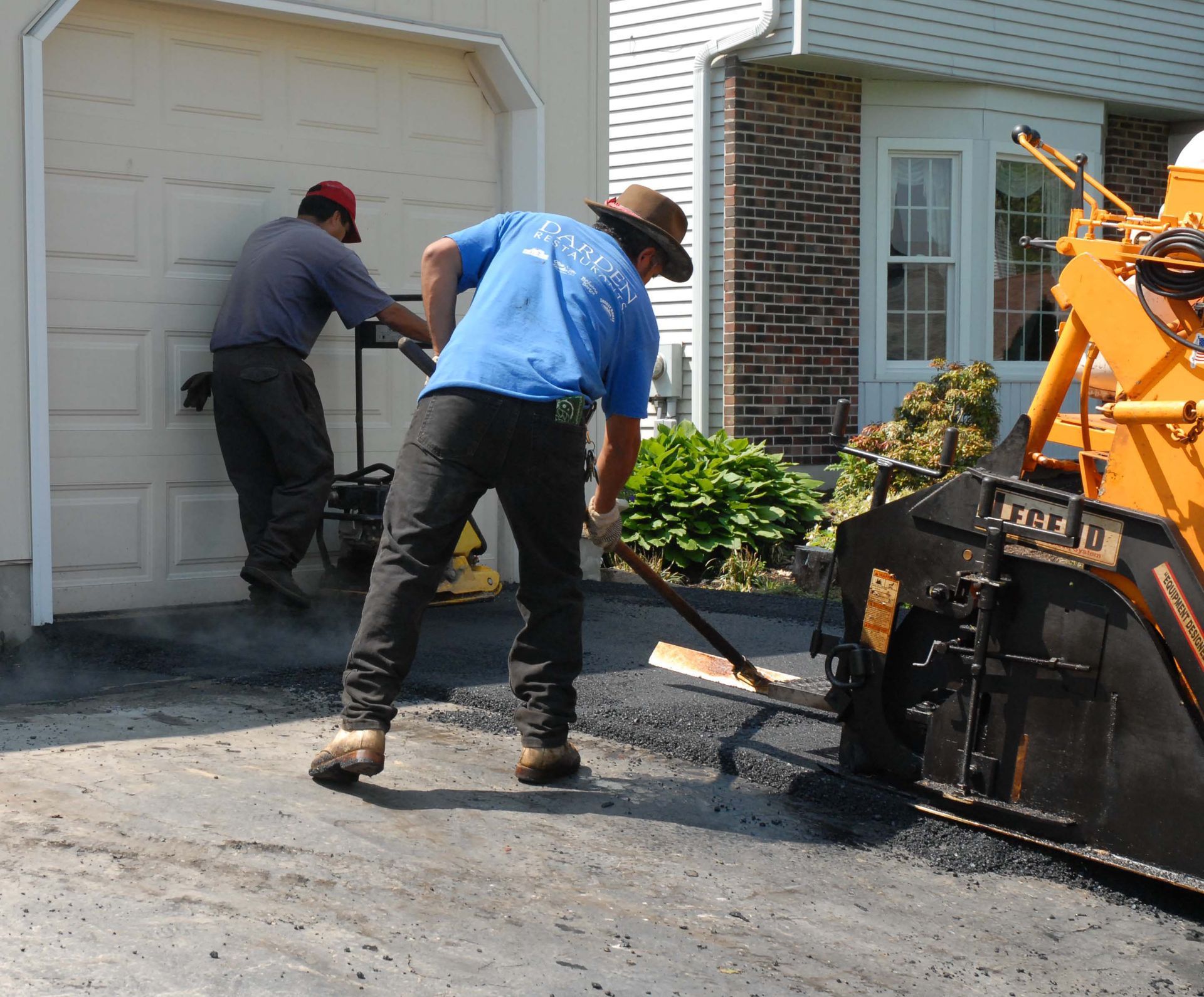
Once the groundwork is complete, the delivery and compaction of the hot mix proceed rapidly, allowing large sections to be completed in a short timeframe. The material is spread evenly and compacted using heavy rollers to achieve the required density and smoothness. This efficient installation timeline means a new surface can often accept vehicular traffic within a couple of days after compaction is finalized. Minimizing downtime through a streamlined installation process is highly beneficial for commercial paving initiatives, allowing businesses to resume normal operations with minimal delay.
Maximizing the return on this investment requires partnering with experienced professionals who understand the nuances of proper subbase preparation and precise mix application. A well-executed installation guarantees that the surface will withstand heavy traffic and harsh weather conditions year after year. For top-tier results on your next project, reaching out to a dedicated team ensures that your specifications are met with the highest industry standards. Contact Arnold Asphalt & Paving today to discuss your next
commercial paving project and secure a durable, long-lasting surface for your property.